ORG PLANNING

Model org changes with confidence

Model reorgs, headcount shifts, and business pivots using your workforce data, then see the risks, tradeoffs, and actions each scenario creates.
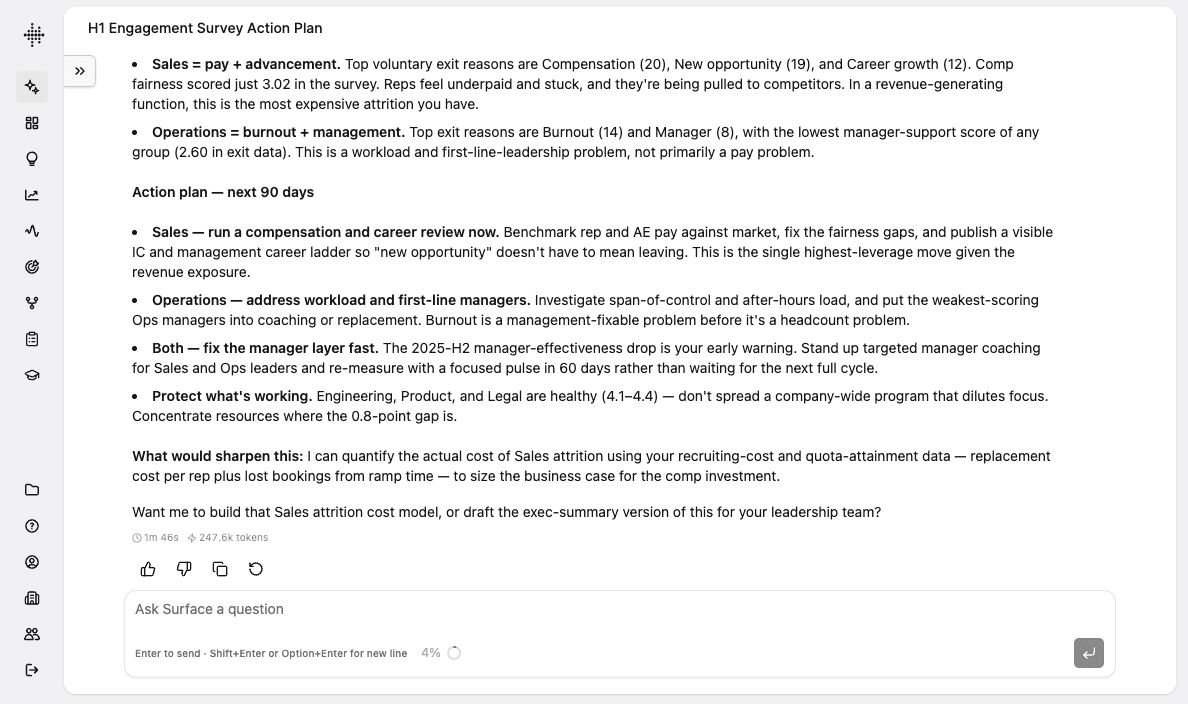
Show me managers with too few or too many direct reports
Streaming…
Analyzing…
Processing…
I'll map spans of control across your org. Pulling reporting lines from your HRIS, using a healthy range of 5–8 direct reports for your manager mix.
Across 412 managers, 61 have fewer than 3 reports, concentrated in G&A. 17 carry more than 10, mostly Support and Field Sales.
Getting everyone into the 5–8 range frees an estimated 28–34 manager-equivalent roles for redeployment. Support's widest teams also show a 0.4-point engagement drop — flagging those first.
Thought for 2s
Thought for 9s
Invoked: Org Design AnalysisPendingDone
Get Organization InfoPendingDone
List DatasetsPendingDone
Query DatasetPendingDone
Analytics Sub AgentPendingDone
Span of control: findings at a glance
61 managers under 3 reports — thin spans cluster in G&A and Legal.
17 managers over 10 — Customer Support and Field Sales run widest.
A healthy 5–8 range frees 28–34 manager-equivalent roles for redeployment.
Sequence: consolidate thin spans first, then split Support pods by region.
Manager Span of Control Review
Ask Surface a question

The Challenge

Reorg decisions run on spreadsheets and gut feel

Headcount plans and restructures are built in static org charts and finance spreadsheets, disconnected from the talent, performance, and engagement data that determine whether a new structure will work.

Static snapshots

Org charts show reporting lines, but not span of control, critical-role exposure, attrition risk, or where teams are already stretched.

Slow scenario math

Every scenario requires new exports, manual assumptions, and another round of spreadsheet modeling. By the time the analysis is ready, the inputs have already changed.

Costly misses

Restructures built without workforce context can overload managers, expose critical roles, and disrupt the teams carrying the most important work.

HOW SURFACE HELPS

From static org charts to informed scenarios
1
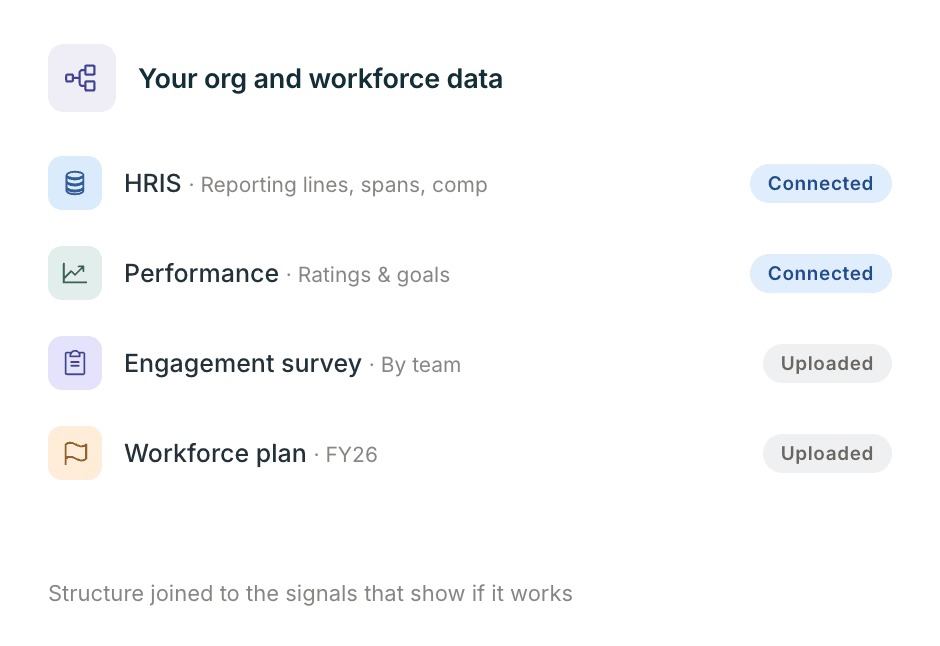
Connect your org and workforce data
Bring together reporting lines, spans, layers, roles, compensation, performance, engagement, attrition, and workforce plans.
2
Identify structural risks
Surface flags overloaded managers, excess layers, critical-role exposure, succession gaps, and teams already under strain.
3
Compare possible scenarios
Model changes to headcount, reporting lines, locations, and role mix, with the implications of each option made clear.
4
Build the implementation plan
Generate recommended actions, sequencing, communications, and risk mitigations for the path you choose.
Connect your org and workforce dataIdentify structural risksCompare possible scenariosBuild the implementation plan

FOR YOUR WHOLE TEAM

Plan workforce changes across the organization

Surface helps People, Finance, Talent, and business leaders evaluate workforce decisions using the same connected view of structure, talent, and risk.

CHRO

Headcount Scenario Planning

Compare headcount scenarios against budget, capacity, spans, and workforce risk, with clear tradeoffs for executive decision-making.

People Analytics

Span and Layer Analysis

Identify overloaded managers, unnecessary layers, and structural inconsistencies, then model options to improve decision speed and accountability.

Talent Team

Critical Role Protection

Identify critical roles with high vacancy or attrition risk, then build succession, retention, and hiring plans before a gap emerges.

People Leadership

Post-Merger Integration Plan

Build a 30-, 60-, and 90-day people integration plan covering structure, leadership, talent risk, communications, and priority decisions.

CHRO
Headcount Scenario Planning
Compare headcount scenarios against budget, capacity, spans, and workforce risk, with clear tradeoffs for executive decision-making.
People Analytics
Span and Layer Analysis
Identify overloaded managers, unnecessary layers, and structural inconsistencies, then model options to improve decision speed and accountability.
Talent Team
Critical Role Protection
Identify critical roles with high vacancy or attrition risk, then build succession, retention, and hiring plans before a gap emerges.
People Leadership
Post-Merger Integration Plan
Build a 30-, 60-, and 90-day people integration plan covering structure, leadership, talent risk, communications, and priority decisions.

EXPERTISE BEHIND THE PRODUCT

Built on lessons from the people shaping modern work

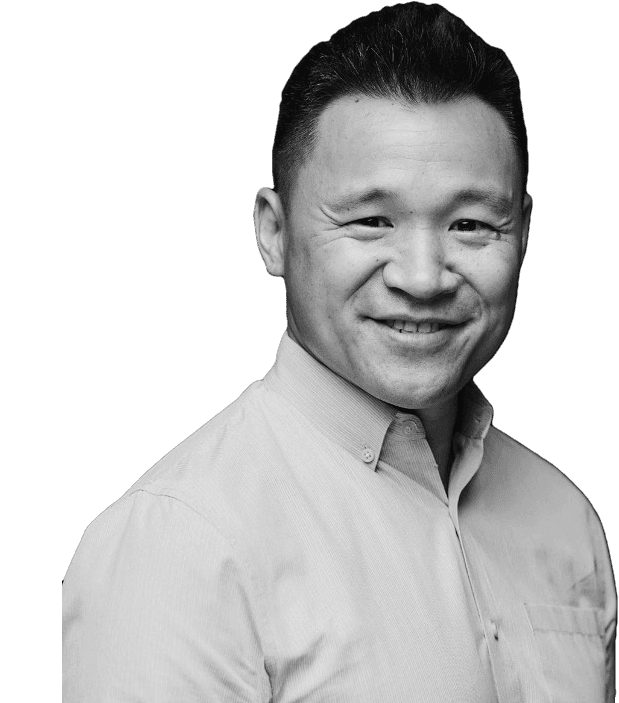
Through conversations with leading operators, researchers, and executives, we bring current thinking on talent and organizational performance into how Surface interprets signals and recommends action. Here's what we learned from Jevan Soo Lenox, Chief People Officer at WRITER:

Jevan Soo Lenox

Chief People Officer, WRITER

Growth over efficiency

Keep the same results with 40% fewer people, or triple output with the same team. The second is the real opportunity.

Design for self-reinvention

Roles reinvent about a quarter every quarter. Plan structures around adaptability, not fixed job descriptions.

AI amplifies your organization

Strengths and weaknesses both compound. Fix the structure before you scale it.

Watch the podcast →

EXPERTISE BEHIND THE PRODUCT

Built on lessons from the people shaping modern work

Through conversations with leading operators, researchers, and executives, we bring current thinking on talent and organizational performance into how Surface interprets signals and recommends action. Here's what we learned from Jevan Soo Lenox, Chief People Officer at WRITER:

Jevan Soo Lenox

Chief People Officer, WRITER

Growth over efficiency

Keep the same results with 40% fewer people, or triple output with the same team. The second is the real opportunity.

Design for self-reinvention

Roles reinvent about a quarter every quarter. Plan structures around adaptability, not fixed job descriptions.

AI amplifies your organization

Strengths and weaknesses both compound. Fix the structure before you scale it.

Watch the podcast →

EXPERTISE BEHIND THE PRODUCT

Built on lessons from the people shaping modern work

Through conversations with leading operators, researchers, and executives, we bring current thinking on talent and organizational performance into how Surface interprets signals and recommends action. Here's what we learned from Jevan Soo Lenox, Chief People Officer at WRITER:

Jevan Soo Lenox

Chief People Officer, WRITER

Growth over efficiency

Keep the same results with 40% fewer people, or triple output with the same team. The second is the real opportunity.

Design for self-reinvention

Roles reinvent about a quarter every quarter. Plan structures around adaptability, not fixed job descriptions.

AI amplifies your organization

Strengths and weaknesses both compound. Fix the structure before you scale it.

Watch the podcast →

IN THEIR WORDS

“We modeled three org scenarios in an afternoon — analysis that used to take six weeks. The board saw tradeoffs, not just a new org chart.”

Chief People Officer

Enterprise Software Company

IN THEIR WORDS

“We modeled three org scenarios in an afternoon — analysis that used to take six weeks. The board saw tradeoffs, not just a new org chart.”

Chief People Officer

Enterprise Software Company

See Surface model your next org change

Bring one live question — a consolidation, a headcount plan, a span-of-control review — and watch Surface work it on your own data.

Request a Demo

See Surface model your next org change

Bring one live question — a consolidation, a headcount plan, a span-of-control review — and watch Surface work it on your own data.

Request a Demo